OPTRONIC SOLUTIONS
Sensor modules and reliable solutions for the toughest requirements in military environments.
SWIR CAMERAS
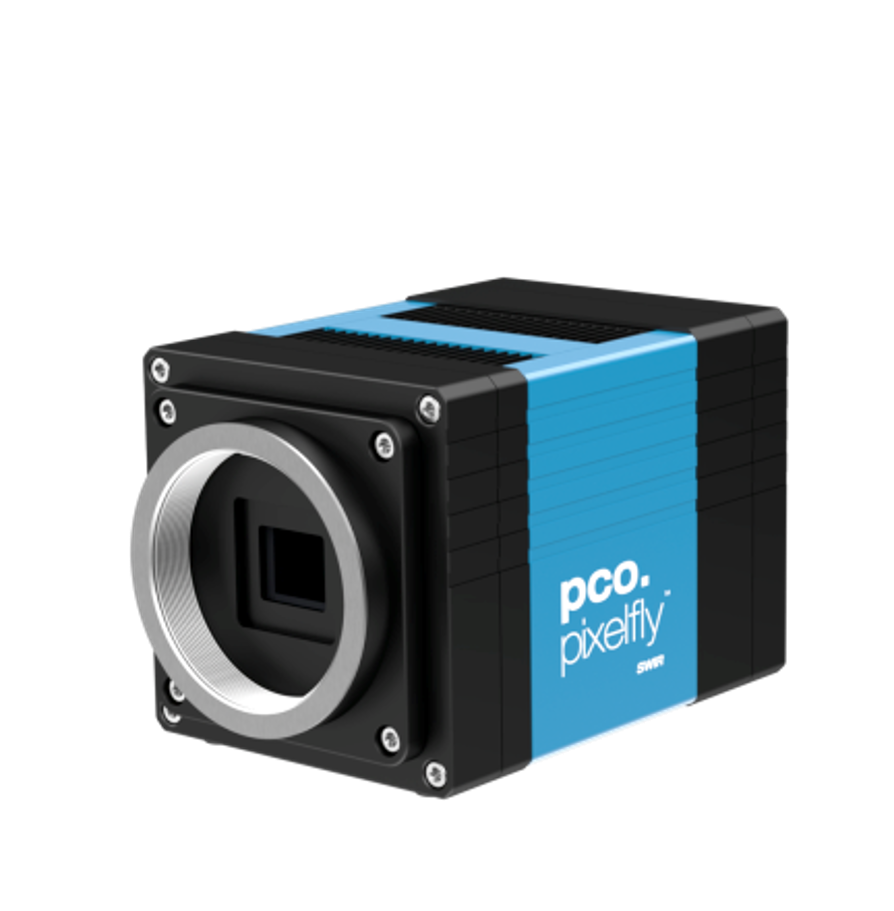
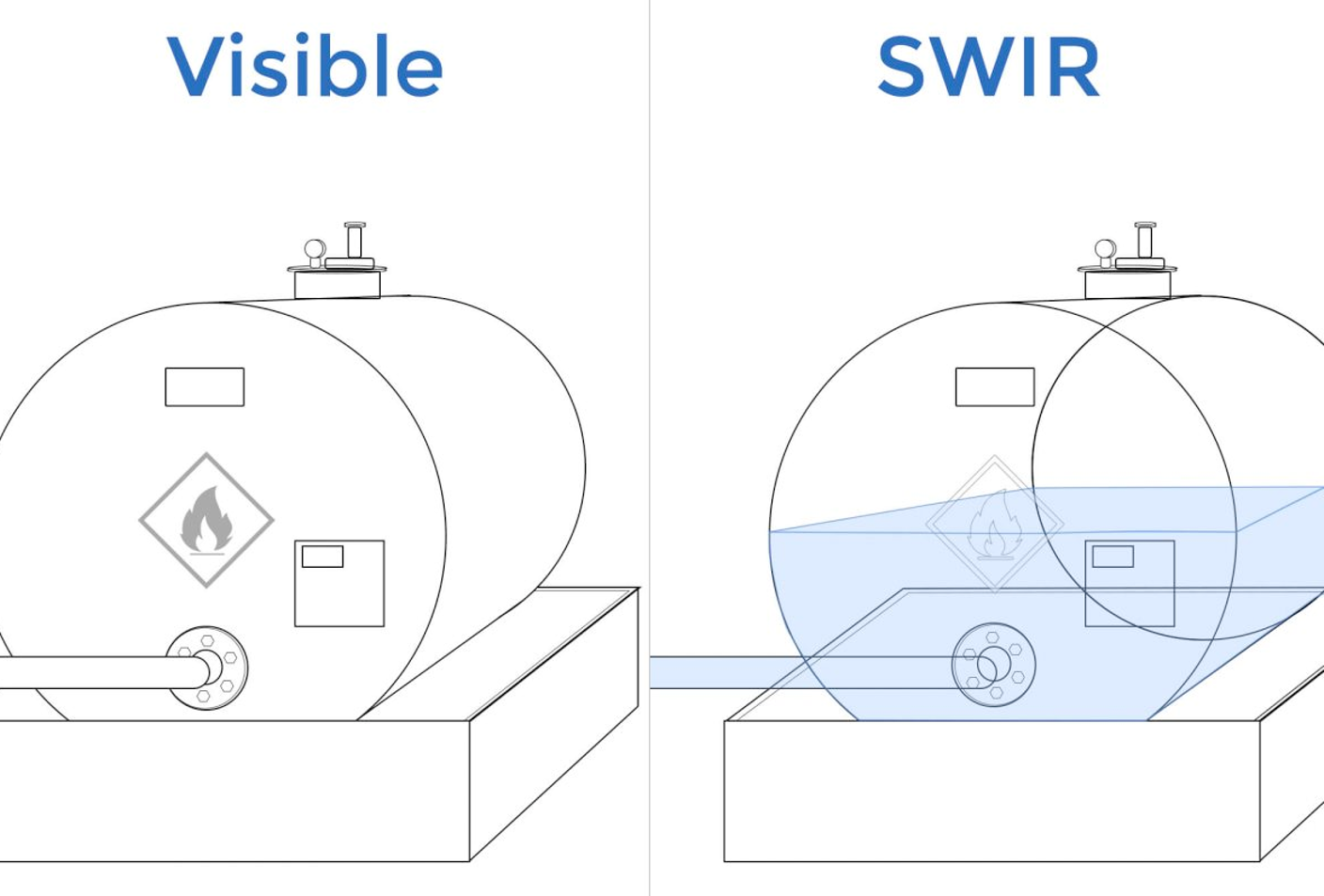
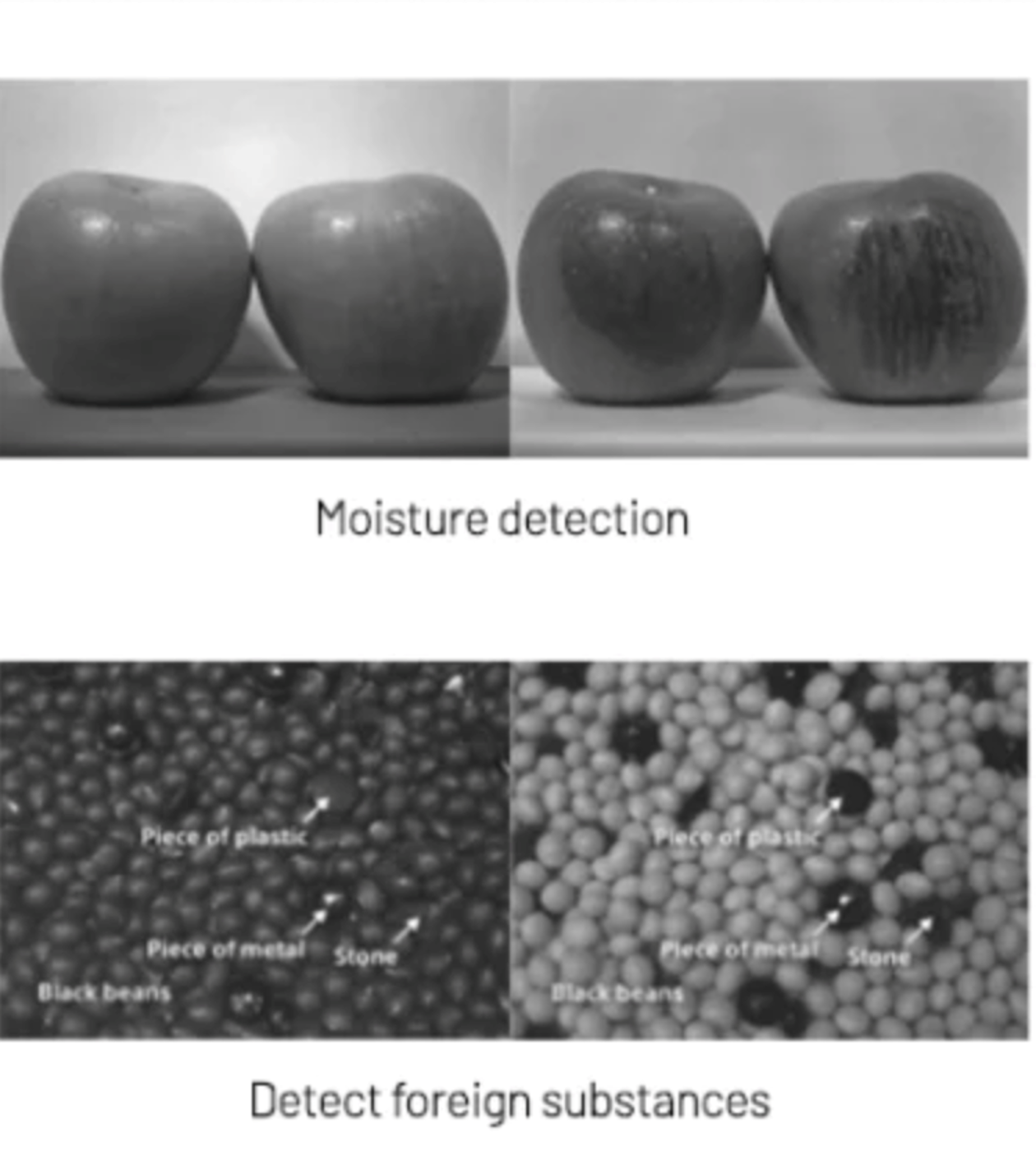
SWIR (short-wave infrared) is preferred in many fields due to its ability to capture details imperceptible to the human eye. SWIR cameras detect light in the wavelength range of 0.9 to 1.7 micrometers (μm). This wavelength range is ideal for imaging subsurface layers of materials. Unlike visible light, SWIR light is absorbed or reflected by many materials, allowing different structures to become apparent.
Imaging Process:
-
When a light source hits a surface, some of it is reflected and some is absorbed.
-
The reflected SWIR light is directed to the sensor via lenses.
-
The sensor converts this light into an electrical signal, and an image is created with the help of digital processors.
Advantages:
-
Provides clear images even in low light conditions thanks to its high signal-to-noise ratio (SNR).
-
Fast response time makes it possible to image moving objects without blurring.
-
Offers energy efficiency with low power consumption.
OPTICAL CAMERAS
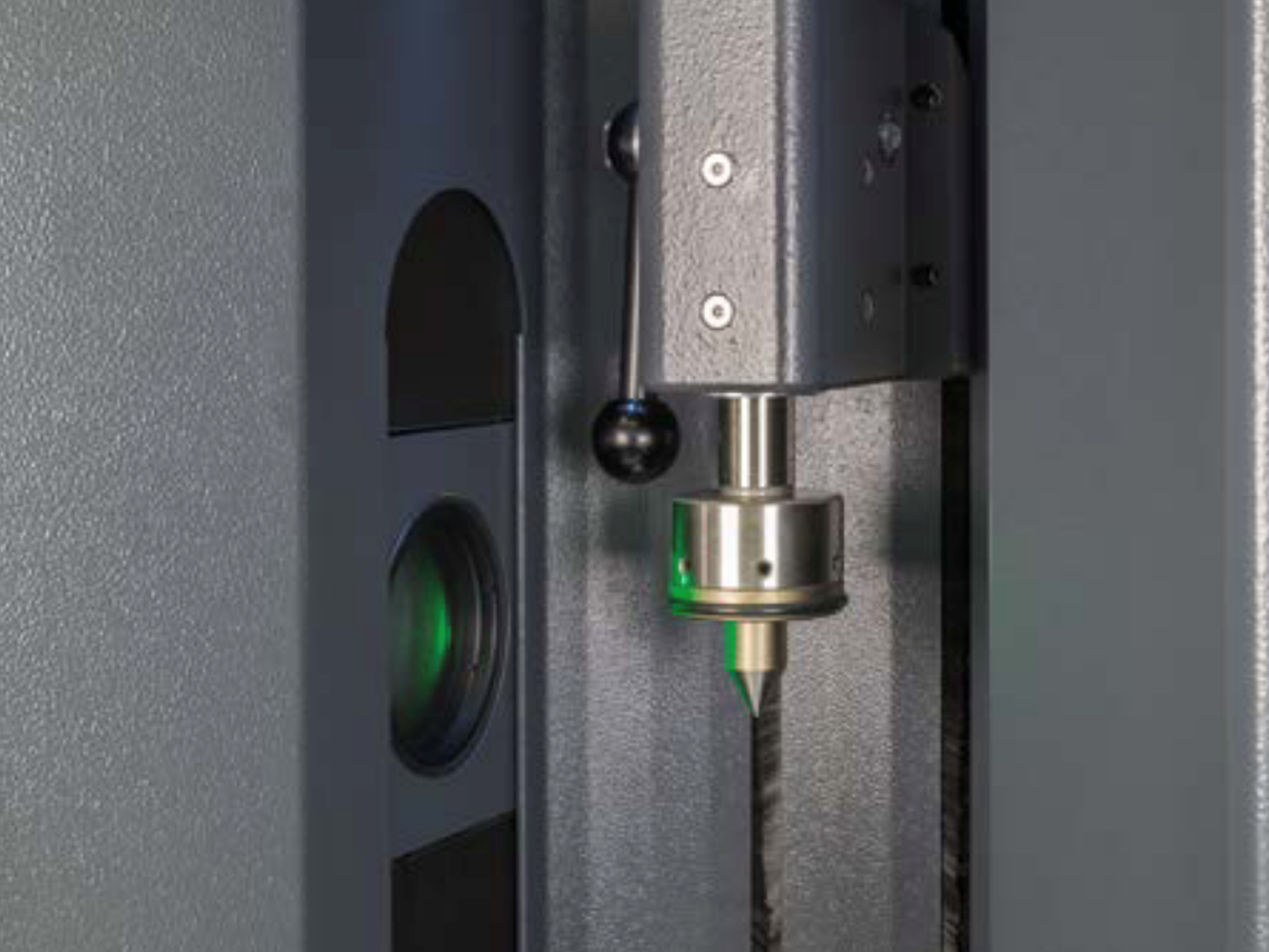
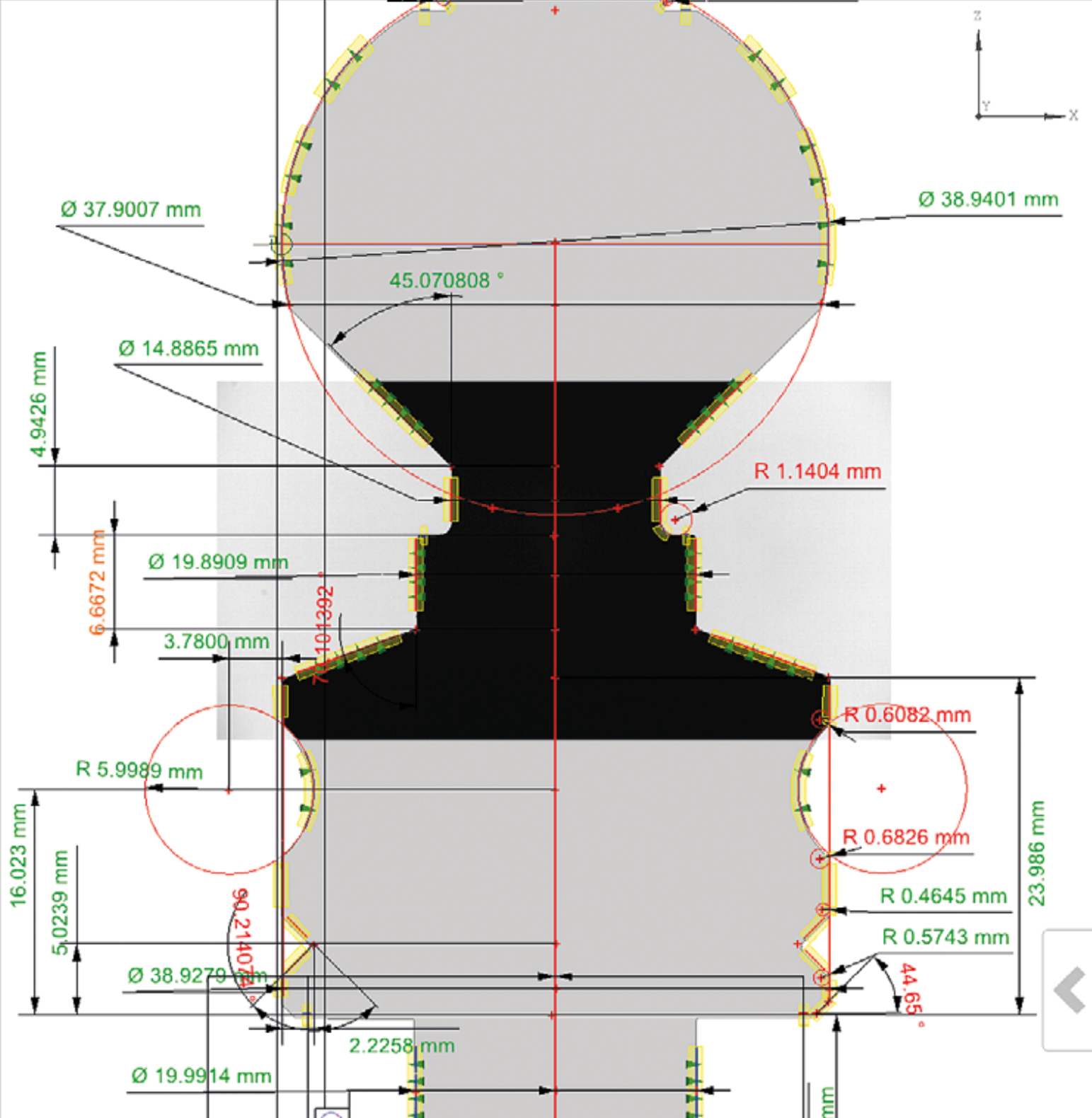
Accessing information related to the dimensions, shapes, and sizes of objects – once a time-consuming and highly complex process – has become much easier with advancements in technology. Such data can now be readily obtained through optical cameras.
With GM AIRBORNE and H-Tech Group optical cameras, information regarding an object’s dimensions, size, as well as curved or inclined surfaces can be captured within seconds. This enables project-related data to be transferred into a digital environment, allowing for rapid data processing and further development.
SENSORS
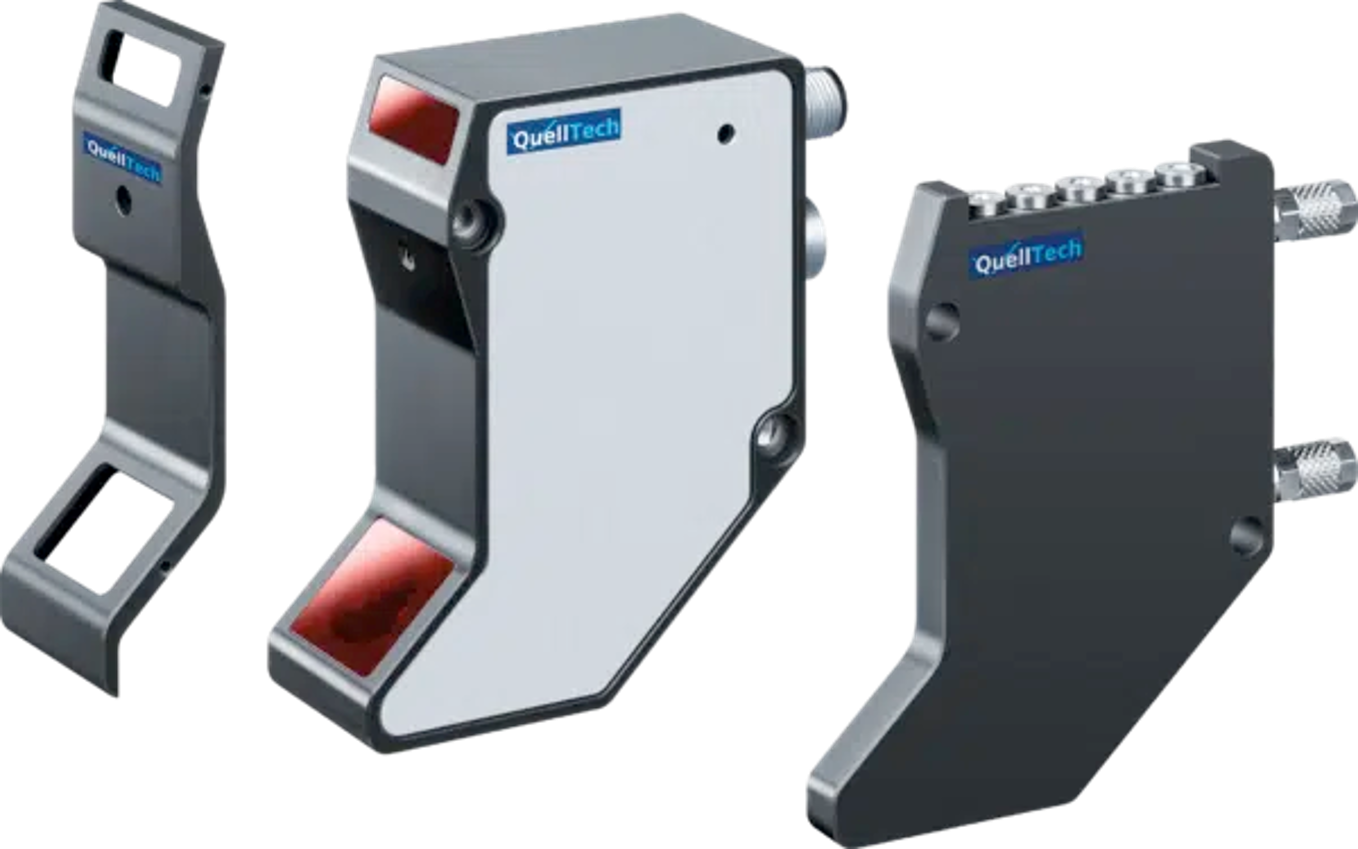
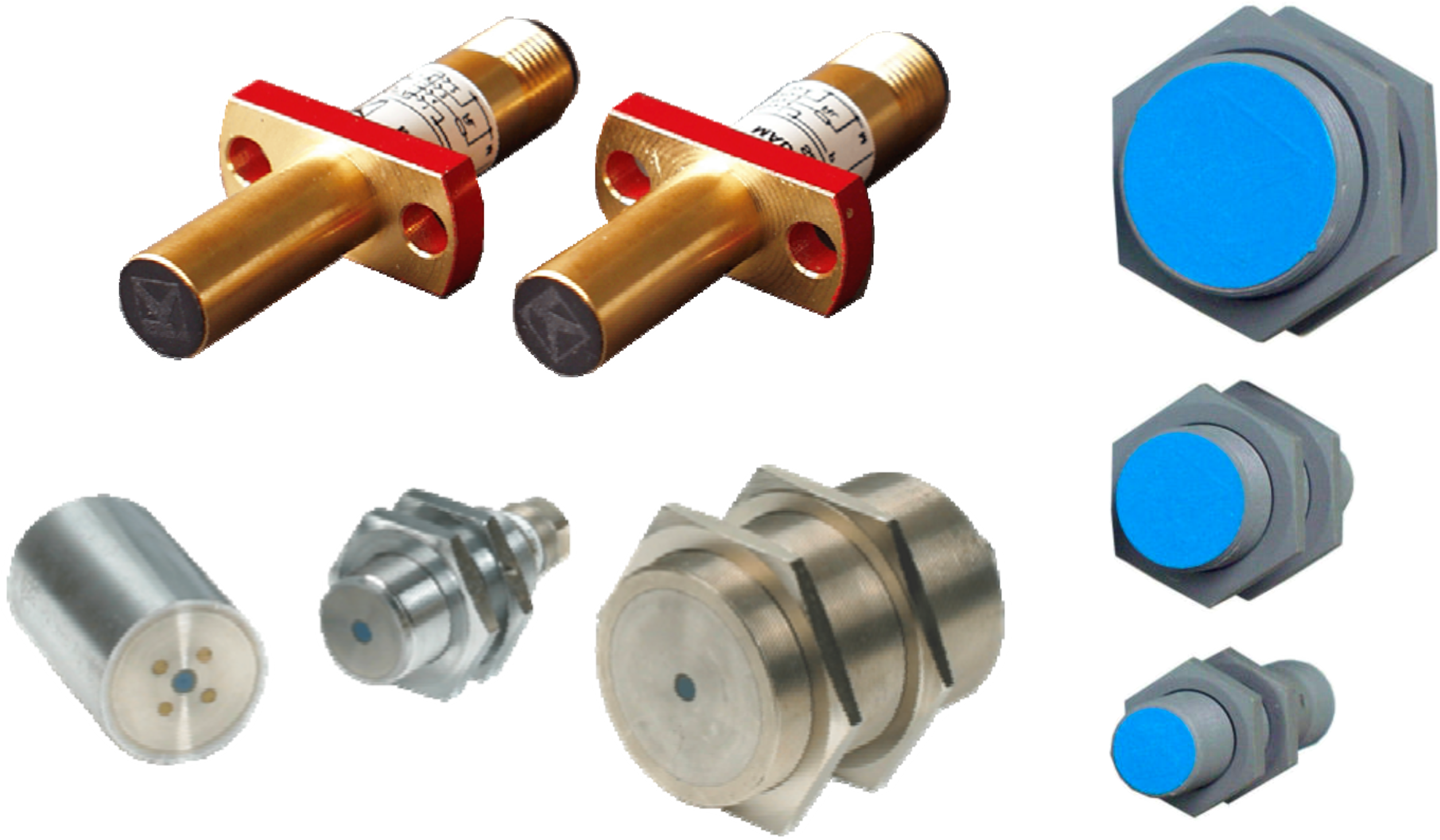
Depending on their structure and operating principles, sensors have many applications today. In the aviation sector, these sensors have a very wide range of uses. They are used in many areas such as detecting whether doors are open or closed, monitoring the correct movement of moving parts, and controlling landing and take-off systems.
GM AIRBORNE and H-Tech Group offers solutions in the aerospace industry, heavy industry, and other sectors with its sensor technology.
RFID, short for Radio Frequency Identification, is an identification system. Using a chip that utilizes radio frequency, it enables the automatic identification of objects from a certain distance, saving time and increasing work efficiency.
RFID identification systems
Ultrasonic sensors
Capacitive sensors
An ultrasonic sensor is an electronic device that measures the distance to a target object by emitting ultrasonic sound waves and converting the reflected sound into an electrical signal. Ultrasonic waves travel faster than audible sound (i.e., sound that humans can hear). Ultrasonic sensors have two main components: a transmitter (which emits sound using piezoelectric crystals) and a receiver (which encounters the sound after it travels to and from the target).